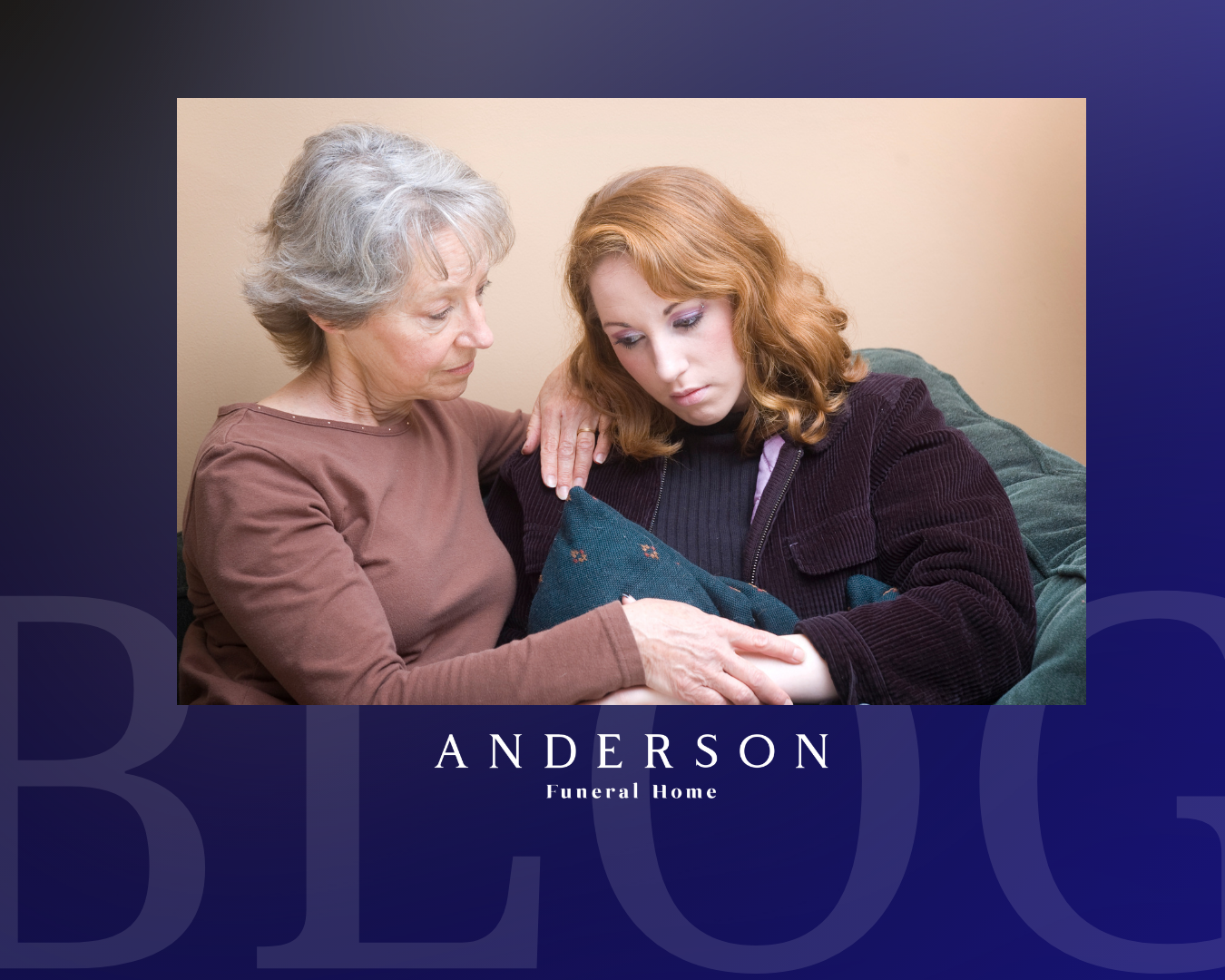
Why am I this upset? I didn't even know them.

Grieving someone you've never met?

Grief doesn't require a personal introduction. Sometimes, someone dies whom we have never spoken to, never shaken hands with, and never met—and yet the loss feels surprisingly personal.


A celebrity, musician, actor, athlete, author, or public figure can become part of the landscape of a life. Their voice might have played through the radio on long drives. Their movies may have been watched with family members who are no longer here. Their humor might have made difficult seasons a little more bearable. Their words may have influenced the way someone thinks, loves, works, or sees the world.


When that person dies, it can feel as though something familiar has disappeared. Robin Williams is an example for many people. His work crossed generations. He could make audiences laugh uncontrollably and, sometimes within the same performance, say something remarkably tender about loneliness, friendship, childhood, or being human. When he died in 2014, millions of people grieved a man they had never actually known. Yet they knew his characters. They knew his voice. They remembered where they were when they first watched Mrs. Doubtfire, Good Will Hunting, Dead Poets Society, or Aladdin. His work had become connected to their own memories.


That connection is real.


The same can be said of someone like Dolly Parton. She is still very much with us, but it is easy to understand why people feel personally connected to her. For some, Dolly's music sounds like childhood, Tennessee, grandparents, road trips, church potlucks, heartbreak, or home. For others, her generosity, humor, faith in education, or unmistakable personality has simply been a reassuring presence for decades. People like Dolly become more than entertainers. Without ever knowing us, they can become markers along the timeline of our lives.


That is why celebrity grief can feel confusing.


When Grief Doesn't Seem to Have a Place

There is a term called disenfranchised grief. It describes grief that may not be fully recognized, understood, or supported by the people around us. The death of a celebrity can fit into that experience. Someone might feel genuinely sad and then immediately question that sadness. Why am I this upset? I didn't even know them.

There may be no visitation to attend. No funeral where friends can gather. No family to whom condolences can be offered. There may not even be anyone nearby who understands why the loss matters so much.

Traditional mourning gives grief somewhere to go. There are flowers to send, stories to tell, services to attend, meals to prepare, graves to visit, and people to hug.


Celebrity grief often arrives without any of those rituals. But the absence of a funeral invitation does not mean there is nothing to mourn. Sometimes we are grieving what that person represented. Maybe their music reminds us of someone we loved.

Maybe their television show was a constant during a difficult childhood. Maybe their comedy helped us through a season when laughter was hard to find. Maybe their work reminds us of a younger version of ourselves.

Sometimes when a public figure dies, we are grieving both that person and a little piece of our own history.


Give the Grief Somewhere to Go

Ritual does not have to happen inside a funeral home or church to be meaningful. If a musician mattered to you, play their music.

Turn it up in the car. Cook dinner while listening to the album you loved years ago. Tell your children why a certain song always makes you smile. If an actor brought joy into your life, watch the movie again. If an author changed the way you thought, reread the book. If someone was known for generosity, give to a cause that mattered to them.

If they made people laugh, share the clip that still makes you laugh. If they stood for kindness, courage, creativity, education, compassion, or perseverance, find a way to carry some of that goodness forward. That may be one of the most meaningful ways to honor someone we never met. We do not have to pretend we knew them personally. We also do not have to dismiss the influence they had simply because the relationship was one-sided.

There is room between those two things.


Celebrate What Was Good

Death naturally makes us think about what someone left behind. For public figures, that legacy can be enormous. Songs remain. Movies remain. Books remain. Interviews, performances, charitable work, ideas, and stories remain. And sometimes the best response to loss is not simply sadness. It is gratitude. Play the song. Watch the movie with someone who has never seen it.

Tell the story. Quote the line that mattered. Support the cause. Pass the kindness forward. Laugh again.


A meaningful life has a way of continuing through the people it touched—even people the person never had the opportunity to meet. That is one of the strange and beautiful things about human connection. Someone can live hundreds of miles away, never know our name, and still become part of our story. So when a familiar voice eventually goes quiet and the sadness feels bigger than expected, there is no need to be embarrassed by it.


Grief is often simply evidence that something mattered.


And sometimes honoring someone we never met means keeping alive the very thing that made them matter to us in the first place.


By Katlyn Green Johnson June 12, 2026
Planning a funeral can be emotional even when everyone is on the same page. When family members have different ideas, different grief responses, or unresolved feelings, it can feel even heavier. Some people want a traditional service. Others may prefer something simple. One person may want every detail to feel formal and familiar, while another may want the service to feel more personal and relaxed. These differences do not always mean anyone is being difficult. Often, they simply mean people are grieving in different ways. If your family is facing funeral decisions and you are worried about disagreement, here are a few gentle ways to move forward. Start With What Everyone Agrees On Before talking about music, flowers, readings, or service details, it can help to begin with a shared goal. Most families can agree on something simple: “We want to honor them well.” That one sentence can become an anchor. When conversations become emotional, come back to that shared purpose. The goal is not for one person to “win” the planning process. The goal is to create a service that reflects the life of the person who died and gives the people who loved them a meaningful chance to say goodbye. Remember That Grief Can Look Different From Person to Person One family member may become very practical and focused on decisions. Another may cry easily. Someone else may seem quiet, distant, or even frustrated. These reactions can be confusing when everyone is sitting around the same table trying to make choices. Grief does not always look soft. Sometimes it looks like control. Sometimes it looks like silence. Sometimes it looks like anger, impatience, or a strong need to be heard. Remembering this can make conversations a little gentler. A disagreement about a song or photo board may not really be about the song or the photo board. It may be about love, regret, exhaustion, or the fear of not honoring someone the “right” way. Let Each Person Name What Matters Most Instead of trying to discuss every detail at once, ask each close family member a simple question: “What is one thing that would make this service feel meaningful to you?” One person may care most about a certain hymn. Another may want military honors, a favorite poem, a display of family photos, or a few minutes for people to share memories. Sometimes, when each person gets to name what matters most, it becomes easier to make room for several ideas. Not every suggestion can always be included, but many services have space for more than one expression of love. Separate Big Decisions From Small Details When emotions are high, every choice can start to feel equally important. The location, service style, obituary wording, flowers, music, clothing, food, and who speaks can all feel urgent. It may help to gently sort decisions into two groups: The larger decisions are things like the type of service, the timing, and the overall tone. These should be handled with care and as much agreement as possible. The smaller details are still meaningful, but they may not need to carry the full weight of the family’s grief. If there is disagreement over a flower color, a photo, or a small part of the display, ask whether it is something that truly changes the heart of the service. Sometimes families find peace by letting different people take responsibility for different parts. One person gathers photos. Another chooses music. Another writes down memories. Sharing the work can also help family members feel included. Try to Honor the Person, Not Everyone’s Expectations Every family has opinions. Sometimes those opinions come from love. Sometimes they come from tradition. Sometimes they come from a desire to avoid judgment from others. When making choices, it can help to ask: “Does this reflect who they were?” Maybe the person who died was private and would have preferred something simple. Maybe they loved gathering people together and would have wanted stories, laughter, and a full room. Maybe they were deeply rooted in faith, service, music, farming, teaching, cooking, or family traditions. A meaningful funeral does not have to look like anyone else’s. It should feel connected to the person being remembered. Use “Both-And” When You Can Families sometimes get stuck in "either-or" thinking. Either traditional or personal. Either religious or casual. Either burial or a celebration. Either quiet or joyful. In many cases, a service can hold more than one feeling. It can be reverent and personal. It can include tears and laughter. It can honor tradition while still including details that feel unique. A traditional service might include a favorite recipe card at the luncheon. A celebration of life might still include prayer or a moment of silence. A simple service can still be deeply meaningful. When possible, look for “both-and” solutions. They often help families feel less divided. Choose a Calm Person to Help Guide the Conversation It can be helpful to have one person gently keep the conversation moving. This does not mean that person controls every decision. It simply means they help slow things down when emotions rise. That person might say, “Let’s pause for a moment.” Funeral directors are also used to helping families talk through choices. You do not have to have everything figured out before you come in. Part of our role is to listen, explain options clearly, and help families find a path that feels respectful and manageable. Take Breaks When Needed Funeral planning often happens in a short amount of time, and families may feel pressure to make many decisions quickly. Even a short pause can help. Step outside. Drink some water. Take a few quiet minutes. Come back to the conversation when everyone has had a chance to breathe. A pause is not avoidance. Sometimes it is the kindest way to continue. Keep the Focus Disagreements during funeral planning can leave families feeling guilty or discouraged. But tension does not mean you are failing. It means people cared, people are hurting, and people are trying to make meaningful decisions during a very difficult time. The most important thing is not whether every detail is perfect. It is whether the service creates space to remember, honor, comfort, and begin saying goodbye. When families come back to love and what truly matters, they find their way through. Let us help.
role reversal aging caregiving
By Katlyn Green Johnson May 13, 2026
Caregivers sometimes feel like a parent and adults parents can feel like children.
Loss Grief Missing Someone
By Katlyn Green Johnson March 30, 2026
Death loss cremation no closure
Funeral Death Grief Loss Coping
By Katlyn Green Johnson February 23, 2026
Cope with the fear of dying, loss, and funerals
funeral questions
By Katlyn Green Johnson February 10, 2026
questions that most people wonder and ask about funerals or death
teaching 10 -12 year olds
By Katlyn Green Johnson January 15, 2026
Talking to children about death
Grief loss sadness
By Katlyn Green Johnson January 13, 2026
New Year, Different Grief: Practical tips for grief in 2026